Trending

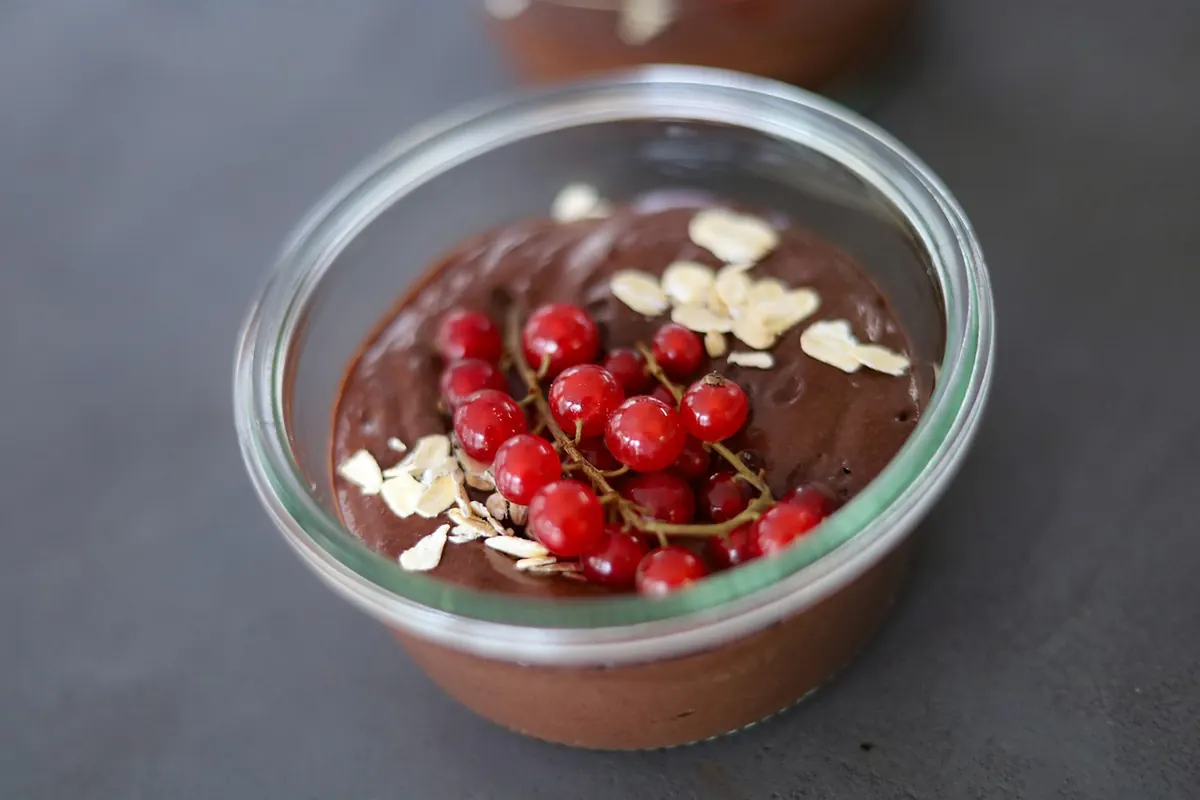
A pudding can look flawless as you spoon it into the dish and be sitting in a pool of water two hours later. The ingredient list is short — milk, sugar, starch or eggs, a pinch of salt — and that is precisely why mistakes show up so clearly. There is no crumb structure or heavy spice blend to hide behind. Almost every pudding fault has a signature, though, and once you know what you are looking at, the repair is usually one change in heat, timing, or the order you add things. Here are the ten problems that come up most often, with the fix for each.
Lumps almost always form at the moment starch meets hot liquid. Cornstarch and flour clump on contact with warm milk; the dry powder on the inside never gets a chance to hydrate. The fix is a slurry: whisk the starch with a few tablespoons of cold milk (or water) until it looks like thin cream, then whisk that into the rest of the cold liquid before it ever sees heat. If you are adding hot milk to eggs, pour in a slow, thin stream while whisking constantly — a cup of hot milk dumped in all at once will cook the eggs on contact.
A flat-bottomed whisk and a figure-eight motion reach the corners where a round pan likes to trap pockets of dry starch. And keep a fine-mesh sieve nearby; straining a finished pudding takes ten seconds and catches anything you missed.
Egg custards curdle when they get too hot, too fast. Egg proteins start setting somewhere around 180°F, and past that they squeeze out water and turn grainy. The reliable approach is a double boiler or a heavy saucepan over medium-low heat, constant stirring, and a thermometer if you have one. Pull the pan off the heat when the custard coats the back of a spoon and a finger drawn across it leaves a clean line.
If it is only faintly grainy, strain it and move on — the texture will be fine once chilled. If it has fully scrambled into flecks, blend it briefly and strain again; you will get a looser, silkier result that works as a sauce over cake or fruit. What you cannot do is restore the original body. Once the proteins have set hard, that texture is permanent.
This is usually an undercooking problem, not a recipe problem. Cornstarch needs to actually come to a boil and bubble for a minute or two before it thickens properly; a lazy simmer at the edge will leave you with sweet milk. Sugar works against you too — a heavily sugared mixture needs a little more starch and a little more time. Egg-thickened custards need to reach their setting temperature, not just feel warm.
If your chilled pudding is still soupy the next day, put it back in a saucepan, whisk in a small slurry of cornstarch and cold milk, and bring it to a gentle boil for a full two minutes. For a no-cook rescue, a little bloomed gelatin stirred into a warm pudding will firm it up, though the texture turns slightly bouncy.
Too much starch is the usual culprit, followed by aggressive stirring after the pudding has thickened. Once the starch has done its job, extra whisking does not make it smoother — it makes it tighter. Measure starch by weight when you can, because a heaped tablespoon is easily twice a level one.
Stop cooking as soon as the pudding holds a soft ribbon, and finish with a knob of butter or a splash of cream off the heat. Fat coats the starch granules and softens that pasty, glue-like bite. Cornstarch puddings also thicken noticeably as they cool, so pull them a shade looser than you want the final result.
That puddle is called syneresis, and it happens when the starch network tightens and pushes liquid out. Overcooking, slow cooling, and temperature swings all encourage it. To prevent it:
If a pool has already formed, pour it off, give the pudding a gentle fold, and top with whipped cream to hide the seam.
A skin is just dried surface. Plastic wrap solves it completely. Scorching comes from high heat and a pan bottom you cannot see through, so use a light-colored saucepan and stir the base in slow loops so nothing sits still against the metal. If you catch a faint scorch early, pour the pudding into a clean bowl immediately without scraping the pan; the burnt layer stays behind.
Grit is different from graininess. If it feels sandy rather than lumpy, you probably had undissolved sugar or starch. Whisk dry ingredients together before the liquid goes in, and give the mixture a moment at a low simmer before you judge the texture.
Raw starch tastes like paper, and it needs time at a boil to cook out — this is the hidden reason a technically perfect pudding tastes dull. Salt is the other half of the equation. A scant quarter teaspoon in a standard batch sharpens vanilla, cocoa, and fruit alike; without it, sugar reads as simply sweet.
Add vanilla, citrus zest, or a spoonful of liqueur after the pan comes off the heat, since heat burns off delicate aromatics. If a pudding tastes cloying, a squeeze of lemon juice or a pinch more salt will do more than cutting sugar in the recipe. For chocolate puddings, bloom the cocoa in hot liquid first and taste before adding more sugar.
Most pudding disasters are prevented before the pan hits the stove. Run through this once and you will rarely need the repairs above:
Keep notes on your own ratios for a batch or two — how much starch, how long at a boil, how it looked when you pulled it. Pudding rewards attention more than it rewards fancy ingredients, and once you can read the signs, fixing one becomes second nature.
Photo: tomwieden / Pixabay